
24 November 2026
A fish finder can turn a quiet day on the water into a cooler full of fish, but only if you understand what you're buying. Between chartplotters, sonar modules and transducers, the terminology alone can be the biggest barrier to a confident purchase.
Modern fish finders do far more than simply locate fish. Today's systems help anglers understand underwater structure, identify bait schools, map productive fishing grounds, navigate safely and return to proven hotspots with confidence.
Whether you're planning family fishing trips on local waters, targeting reef species offshore or chasing trophy fish in deep water, choosing the right fish finder can transform the way you fish.
In this guide, we'll explain how fish finders work, the components that make up a complete sonar system, the differences between chartplotters, sonar modules and transducers, and how to choose the right solution for your boat and fishing style.

It's important to note that a fish finder is often used as an umbrella term covering a whole system of electronics, not one single box. The system uses sonar to detect what's beneath your boat, including fish, bait, structure, and the seabed itself, and displays it as a readable image.
The technical explanation: A fish finder uses sonar technology to send an electrical pulse to a transducer, which converts it into a sound wave and transmits it into the water. When that wave hits something (fish, bottom, structure) it bounces back as an echo. The transducer picks up the echo, converts it back into an electrical signal, and the fish finder display interprets the echo into the image anglers see on screen.
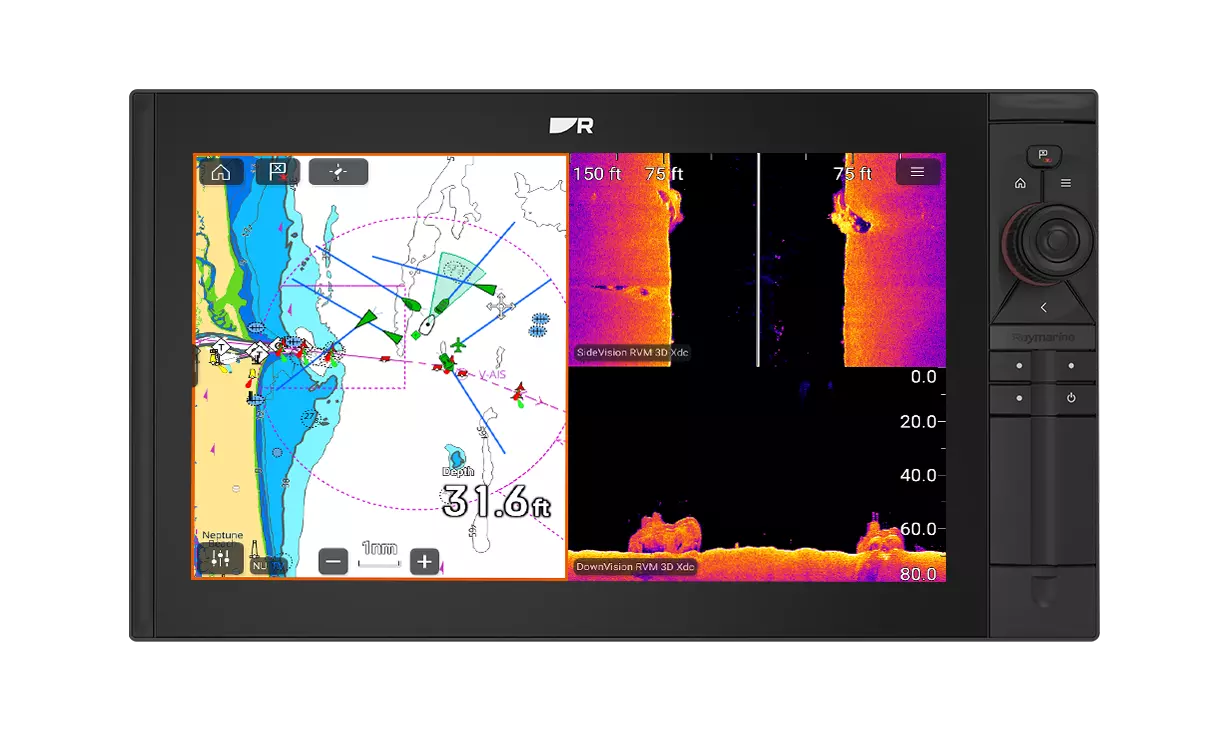
The chartplotter is the screen at the helm that displays sonar information, navigation charts and GPS data.
Most modern chartplotters can:
For many anglers, the chartplotter serves as the centre of their entire marine electronics system. Sonar and fish finder technology is sometimes built-in to the chartplotter display. This configuration is often referred to as chartplotter fish finder combo and is the preferred choice by many anglers today.
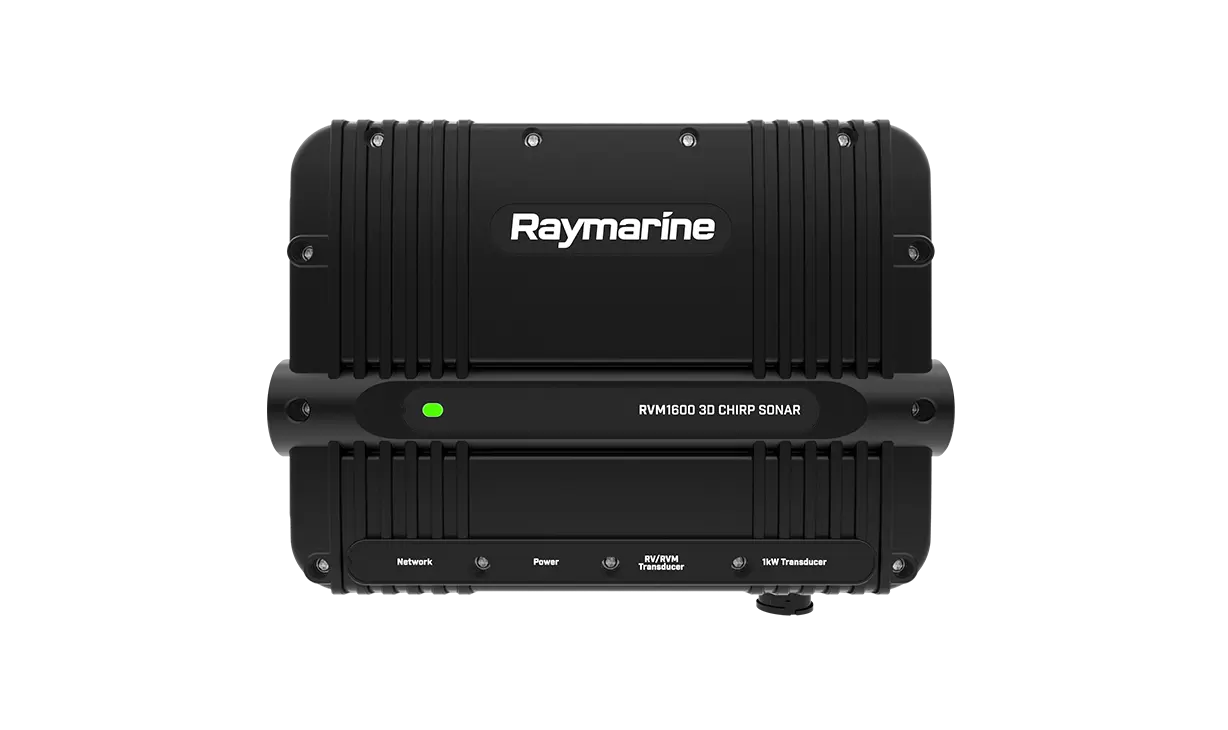
The sonar system generates, processes and displays underwater imagery, also referred to as "sonar returns". Depending on the system, this may be:
Different sonar technologies provide different levels of detail and performance. We'll explore these later in the guide.
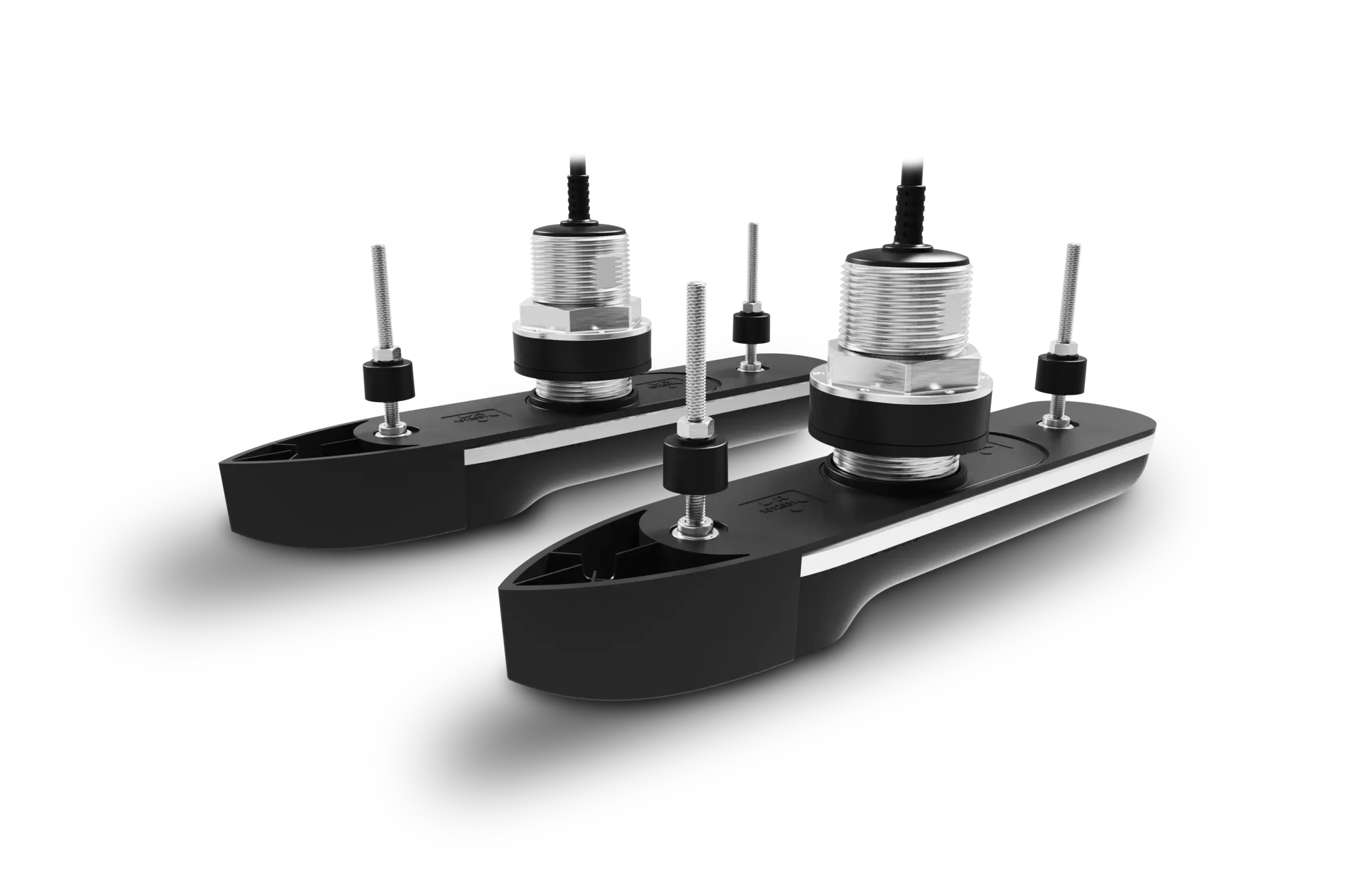
Often described as the heart of the fish finder, the transducer converts electrical energy into sonar pulses and receives the returning echoes.
The transducer largely determines:

CHIRP (Compressed High-Intensity Radiated Pulse) sonar sweeps across a broad range of frequencies in each pulse, producing sharp target separation and image resolution. Fish arches and structure look far more distinct on a CHIRP fish finder.
Best for:

High-resolution imaging sonar uses much higher frequencies than conventional fish finders to create lifelike, highly detailed views of the underwater environment. Raymarine's DownVision™ technology combines high-frequency sonar with CHIRP signal processing to deliver exceptional target separation, sharp structure detail, and improved range. It's ideal for identifying wrecks, vegetation, rock piles, and other fish-holding structure directly beneath the boat.
Best for:

Side Imaging sonar scans outward to the left and right of the boat in a wide fan, revealing layout and structure across a much wider area than down-facing sonar alone, useful for covering ground quickly before zooming in.
With Raymarine's SideVision technology, rather than only seeing directly underneath, anglers can inspect large areas of water beside the boat. Raymarine fishing experts recommend SideVision sonar for inshore fishing where anglers are searching bridges, reefs, structure and fish-holding areas. For a deeper look at how side-scanning sonar works and how experienced anglers use it to locate fish, read our guide here [link].
Best for:

Understanding the differences between sonar technologies can make choosing the right fish finder easier. Explore our Superior Sonar guide to learn more about CHIRP, imaging sonar and fish-finding performance.
The best transducer depends on more than just your boat size. Installation location, fishing depth, target species, hull construction and whether you're using built-in sonar or a dedicated sonar module can all influence the ideal transducer for your setup.

Transducers come in several types, and the right one depends on your hull and how you fish. Our range is a good place to see the possibilities.
The right fish finder depends on where you fish, the boat you operate and the information you need to see below the surface. Understanding the different requirements of freshwater, inshore and offshore fishing can help you choose a system that delivers the performance you need without paying for features you don't.
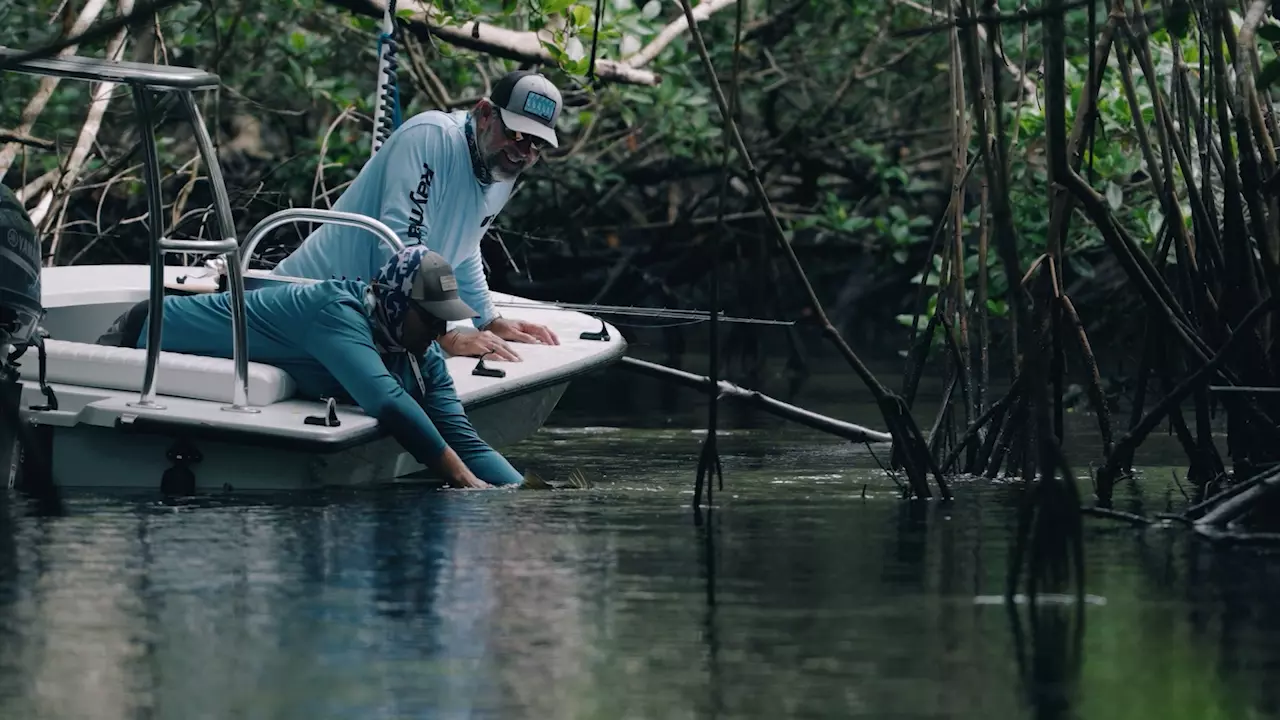
Inshore fishing is all about precision. Whether you're working shallow flats, fishing around bridges and docks, or targeting structure in bays and estuaries, success often depends on finding fish-holding areas quickly and understanding what's happening beneath and beside the boat. Detailed imaging sonar and responsive chartplotting can help anglers identify drop-offs, submerged structure, weed edges and bait concentrations without covering unnecessary water.

Offshore fishing places the greatest demands on a sonar system, often requiring anglers to travel further, fish deeper and operate in constantly changing conditions. Whether you're trolling for pelagic species, targeting offshore reefs and wrecks, or deep dropping over structure, the right combination of chartplotter, sonar technology and transducer can help you locate fish more effectively, maintain bottom tracking at depth and navigate with confidence.

From chasing salmon in deep lakes to targeting walleye, bass and trout in rivers and reservoirs, freshwater fishing covers a wide range of species and techniques. While the environments may differ from offshore saltwater fishing, anglers still benefit from the same core technologies: reliable GPS, detailed sonar and clear charting to help locate fish, structure and productive fishing areas.
Every boat and fishing style is different. Our knowledgeable team can help you compare options and build a system tailored to the way you fish.
A fish finder uses sonar to show what is beneath or around your boat, including fish, bait, bottom depth and underwater structure. A transducer sends sound pulses into the water, while the fish finder processes the returning echoes and displays them as an image.
For anglers, structure refers to the underwater features and changes in bottom contour that attract and concentrate fish. Structure can include reefs, wrecks, rock piles, ledges, drop-offs, channel edges, bridge pilings, and other natural or man-made features that provide feeding opportunities, shelter, or current breaks. Understanding and locating structure with sonar is one of the most effective ways to find productive fishing areas and consistently locate fish.
A depth finder is a type of sonar that measures the water depth beneath the boat and displays it as a numerical value, typically in feet, fathoms or metres. While useful for navigation and avoiding shallow water, it provides limited information about what is beneath the surface.
A fish finder also uses sonar technology but goes a step further by creating a visual representation of the underwater environment. In addition to displaying depth, it can show fish, bait schools, underwater structure and changes in bottom composition, helping anglers identify productive fishing areas and locate fish more effectively.
A chartplotter fish finder combo combines GPS navigation, electronic charts and sonar on one display. Some displays include built-in sonar and only require a compatible transducer, while more advanced systems connect to a separate sonar module.


