
Max Campbell's Swan 37, Elixir, has seen some hard sea miles in her diverse life to date. As Max embarks on a full refit of the interior, exterior and electronics of the boat, he starts his Raymarine refit story...
Tuesday - 10 March 2026

It’s hard to believe it was two years ago when Elixir limped into New Zealand. We arrived with a snapped forestay tang, an engine close to bouncing off its corroded mounts, and zero budget left. I was broke, burnt out from sailing halfway around the world, and honestly ready to take a break from the cruising lifestyle.
But you can’t leave a boat like Elixir sitting for long.
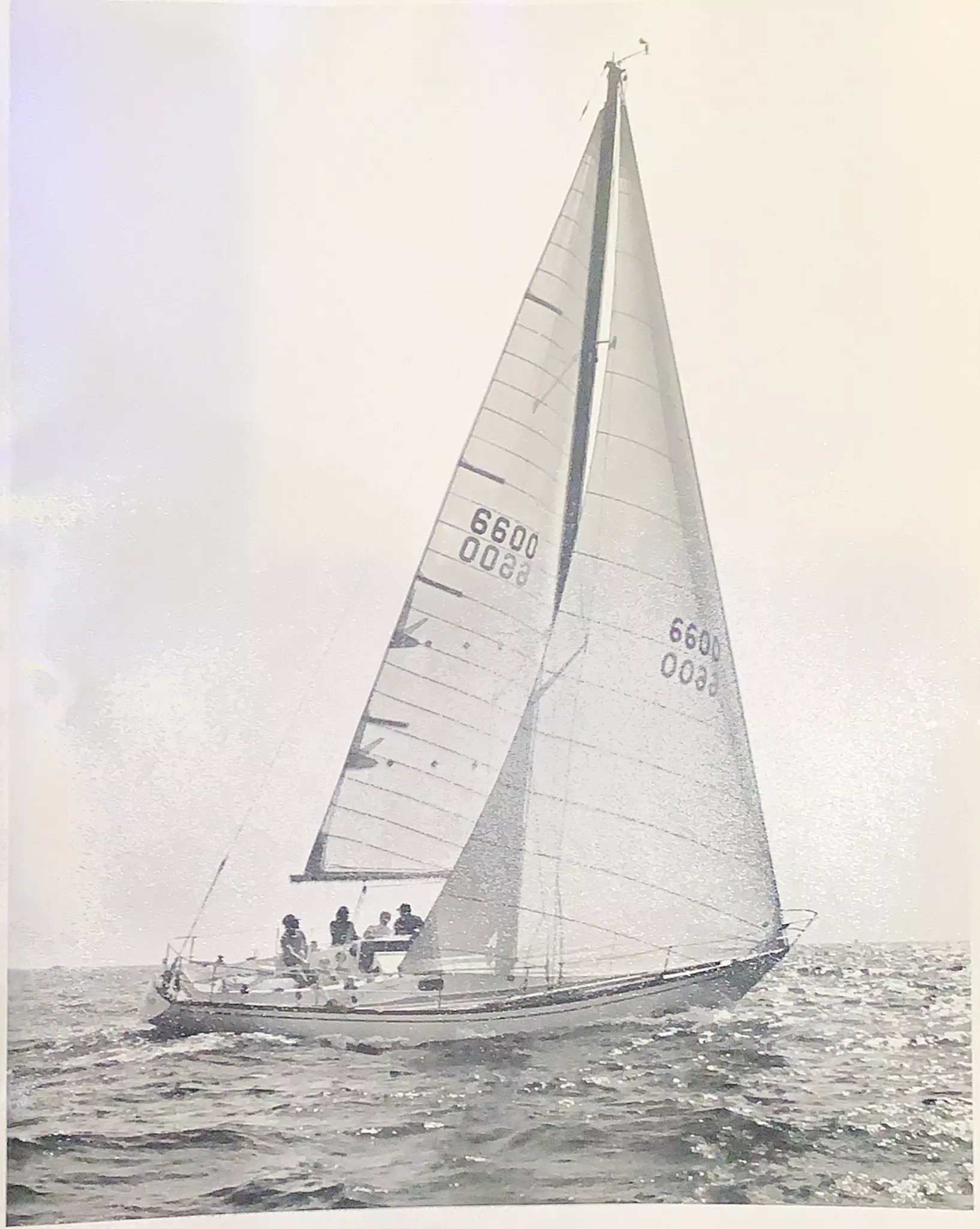
Elixir is a 1970 Sparkman & Stephens Swan 37, one of the GOATs of offshore sailing. She was born in Finland into a culture of competitive racing, first purchased by the successful designer of Seattle's Space Needle, skippered by American media mogul Ted Turner, and eventually converted to a cruising yacht by Ian Chaston, who sailed her alone around Cape Horn.
By the time I took her on, she had been sitting on the hard for many years. She was covered in moss and leaves, her gelcoat was crazed and scratched, yet somehow she was perfect. All I wanted was to go sailing, and after a year-long refit in Falmouth, Cornwall, we set out across the Bay of Biscay in the middle of winter. Five years later, the Bay of Islands appeared on the horizon, and Elixir made it very clear that this would be our longest stop yet.
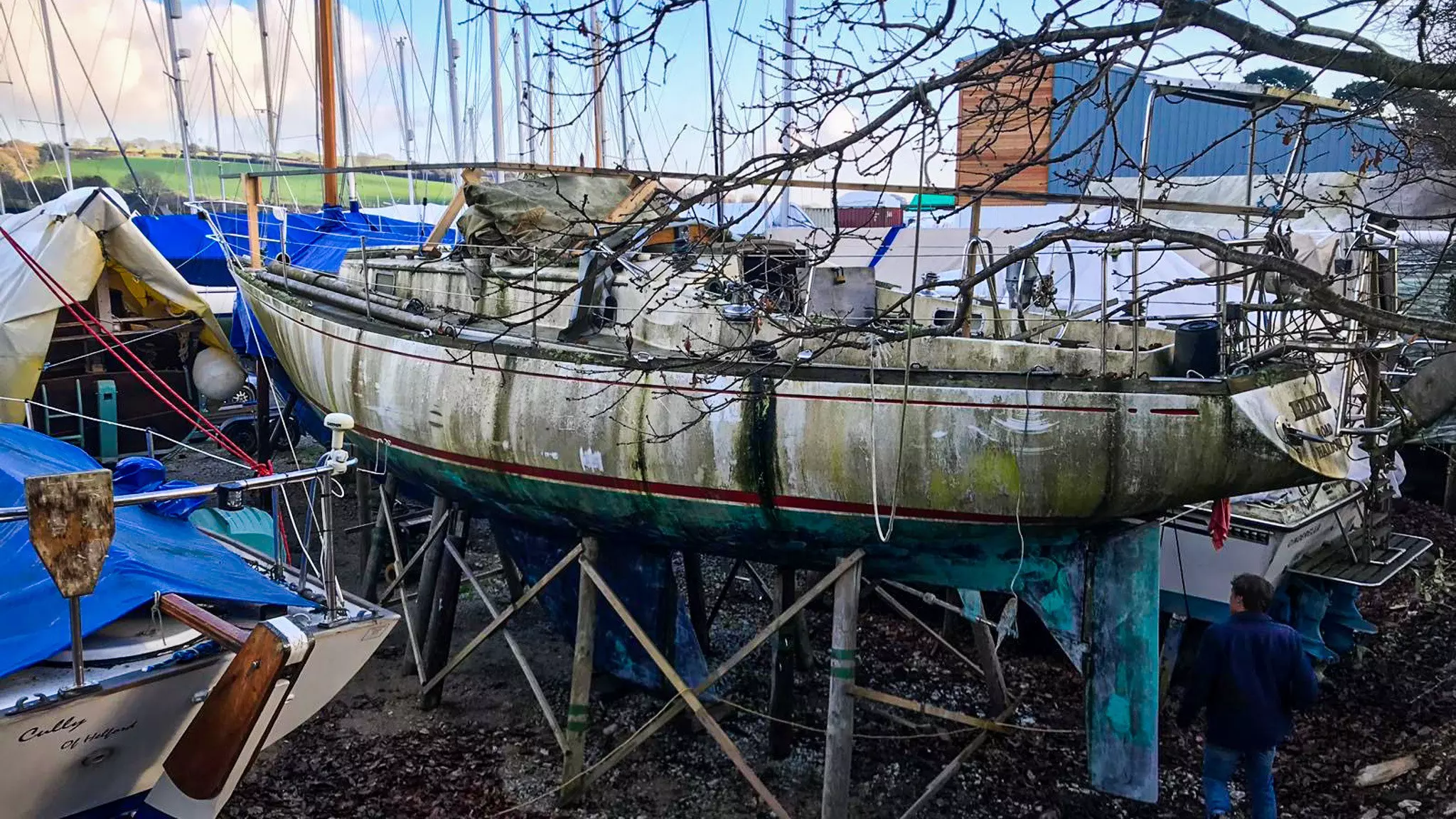
We hauled Elixir out of the water with the naive optimism of a quick, one-month turnaround. Four months later, we had completely emptied her, and the timeline had blown out spectacularly. We ended up rebuilding the engine beds from steel, sourcing a new gearbox from the UK, and chopping open and re-welding the top of the mast. We completely overhauled the engine, repainted the interior, made some significant structural repairs, and installed new refrigeration, desalination, and head systems onboard. It was a gruelling process of back-to-back days, testing my limits of patience and optimism. But once you commit to a project like this, you have no choice but to see it through.
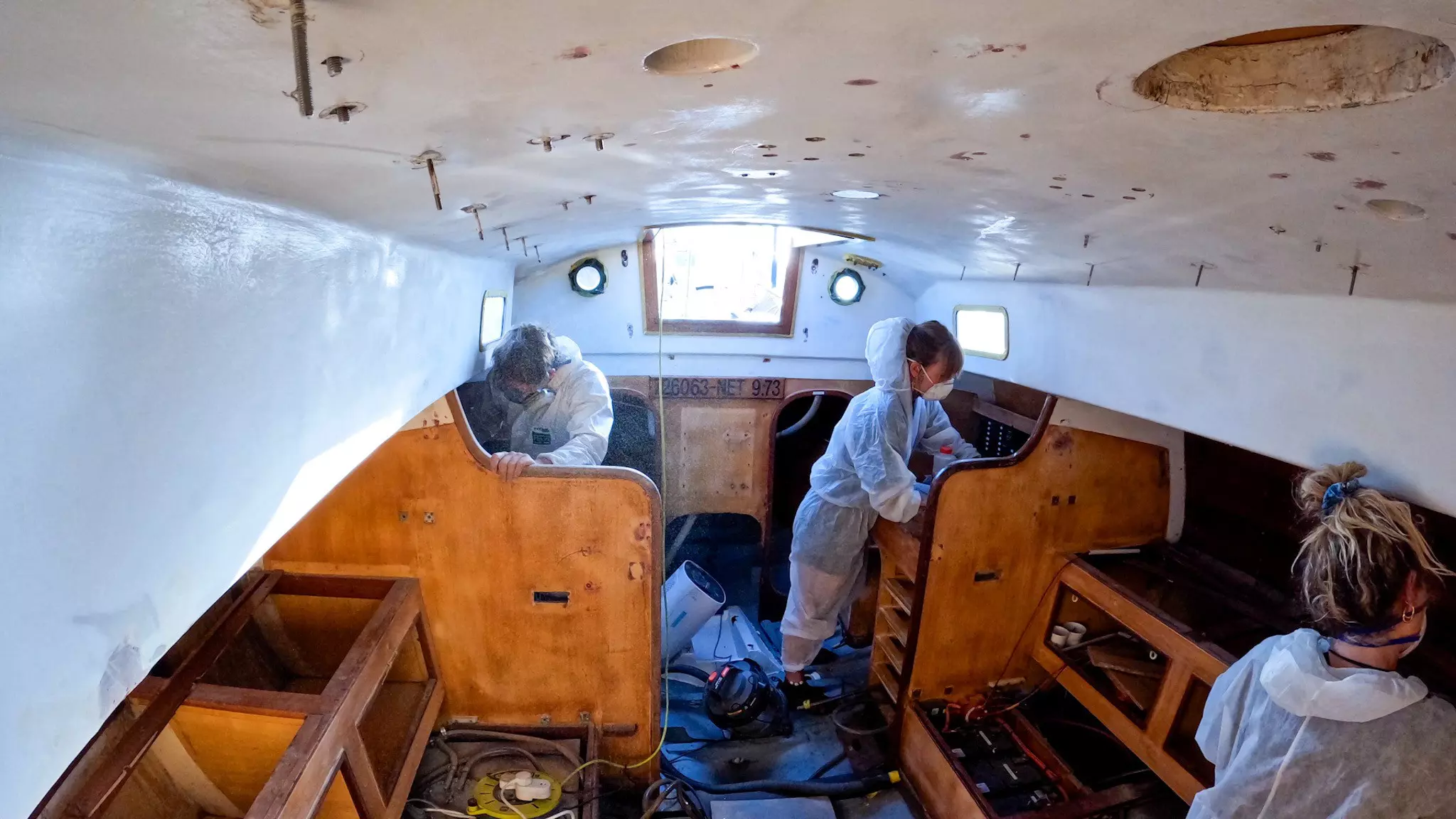
This refit wasn’t just about fixing what was broken; it was about evolving the boat. For decades, Elixir’s systems were incredibly minimalist. During her racing days, navigation meant a sextant, pencils, and an RDF. The first half of my circumnavigation wasn’t too far off, relying on paper charts, a few GPS units, and an iPhone running a charting app.
To breathe new life into this 55-year-old hull, we pulled out the electrical system and the "well-loved" lead-acid batteries, and installed a new lithium-ion battery bank. In the same volume of space, we managed to fit four times the amount of usable power in amp-hours! But the most significant transformation is our transition to a modern Raymarine electronics network.
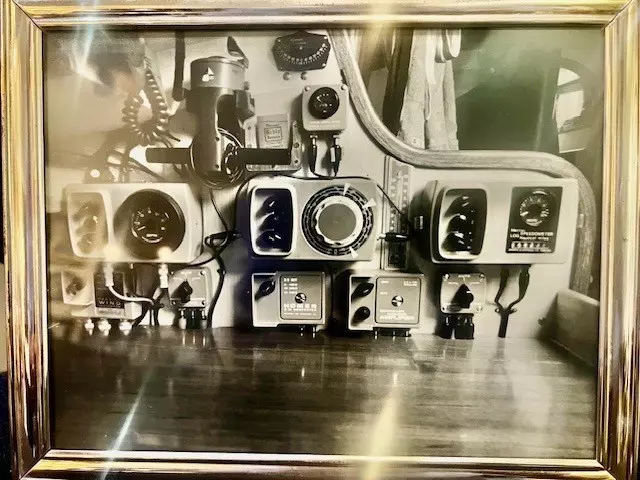
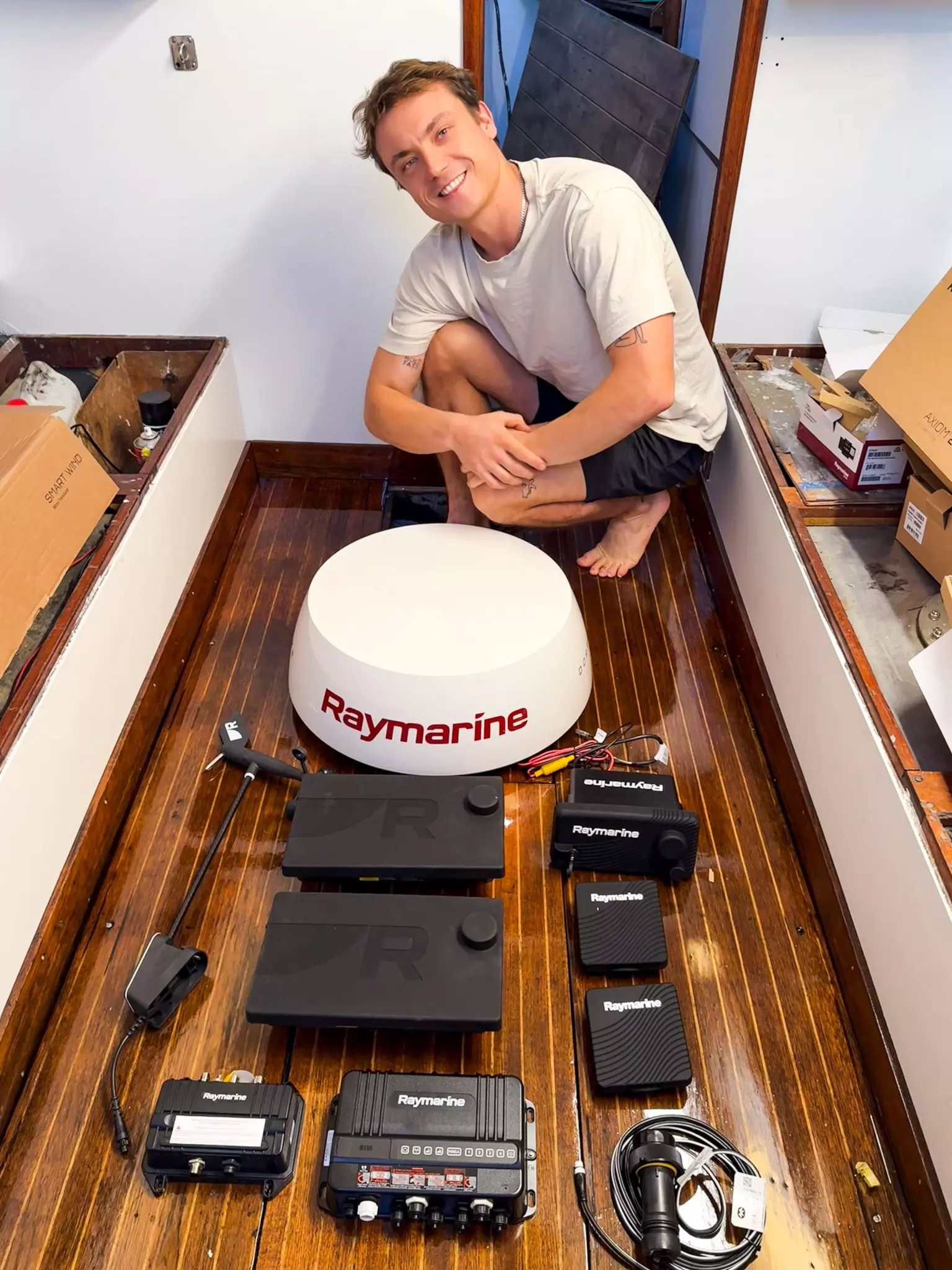
Stepping up from basic, disjointed navigation to a cohesive Raymarine suite completely changes how I interact with the boat. We've already installed our new Raymarine RSW SmartWind sensor while the mast was out, and we are currently wiring in the rest of the displays and sensors. This gear replaces a minimalist, outdated setup with a state-of-the-art system that makes monitoring the boat's health, weather patterns, and navigation far more straightforward.
When you are planning to sail to remote Pacific atolls, having this reliable, high-end situational awareness is everything. It breathes a whole new level of confidence and seamanship into the voyage. Knowing I have this technology onboard makes me feel safer than ever before, turning anxiety into pure excitement for the miles ahead.
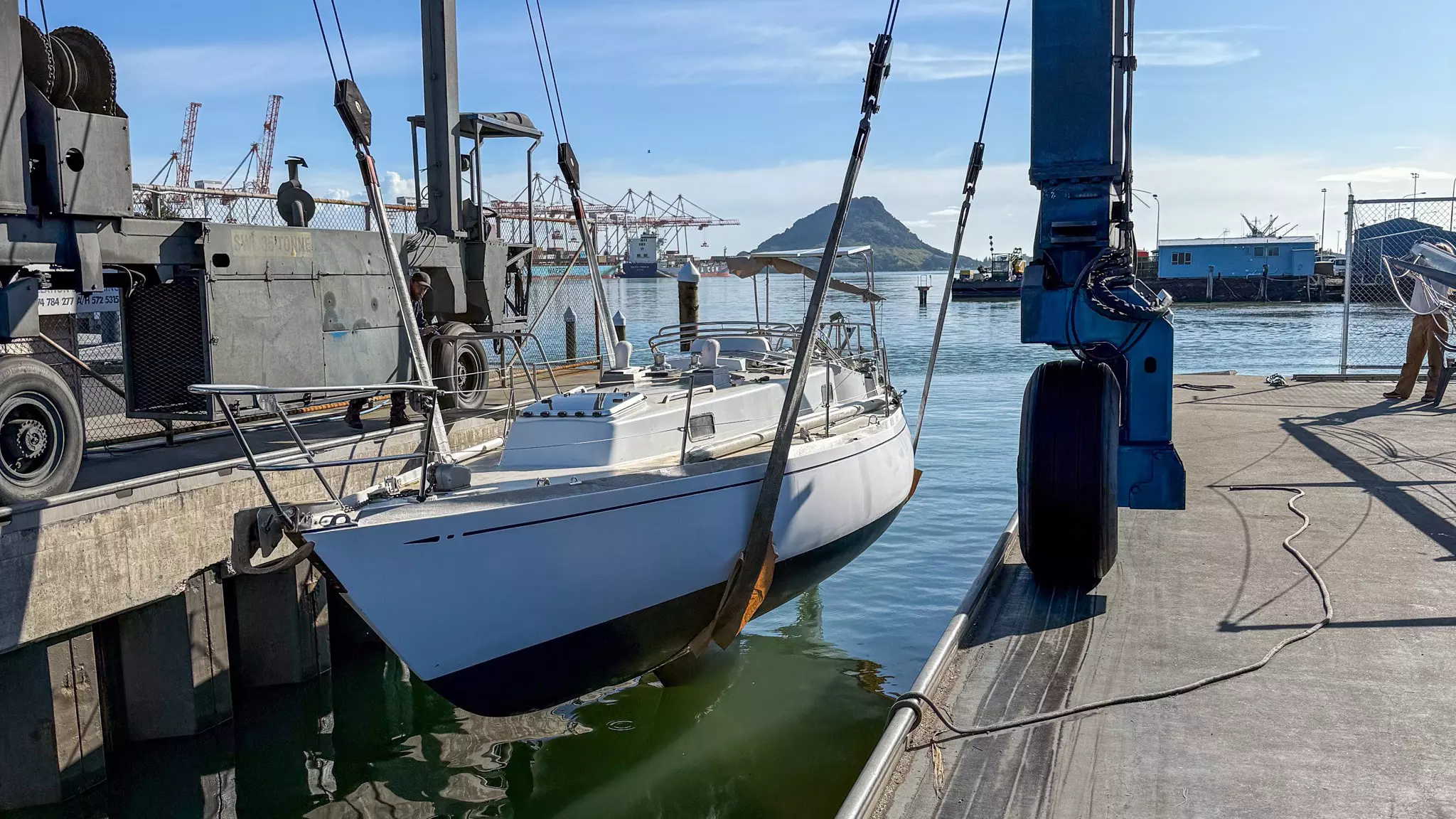
Launch day was pure chaos, complete with a genuine tsunami warning, and a cracked sea-strainer that brought our triumphant engine start to a dead halt in the shipping channel. But after bypassing the broken filter, the rebuilt Volvo Penta finally purred.
As the crane dropped our rebuilt mast perfectly into its step (after tossing a 5-cent coin underneath for luck, of course), I felt a fire that had been reduced to a slow ember suddenly roar back to life. My spirit of adventure, buried under layers of fiberglass dust and fatigue, was rekindled.
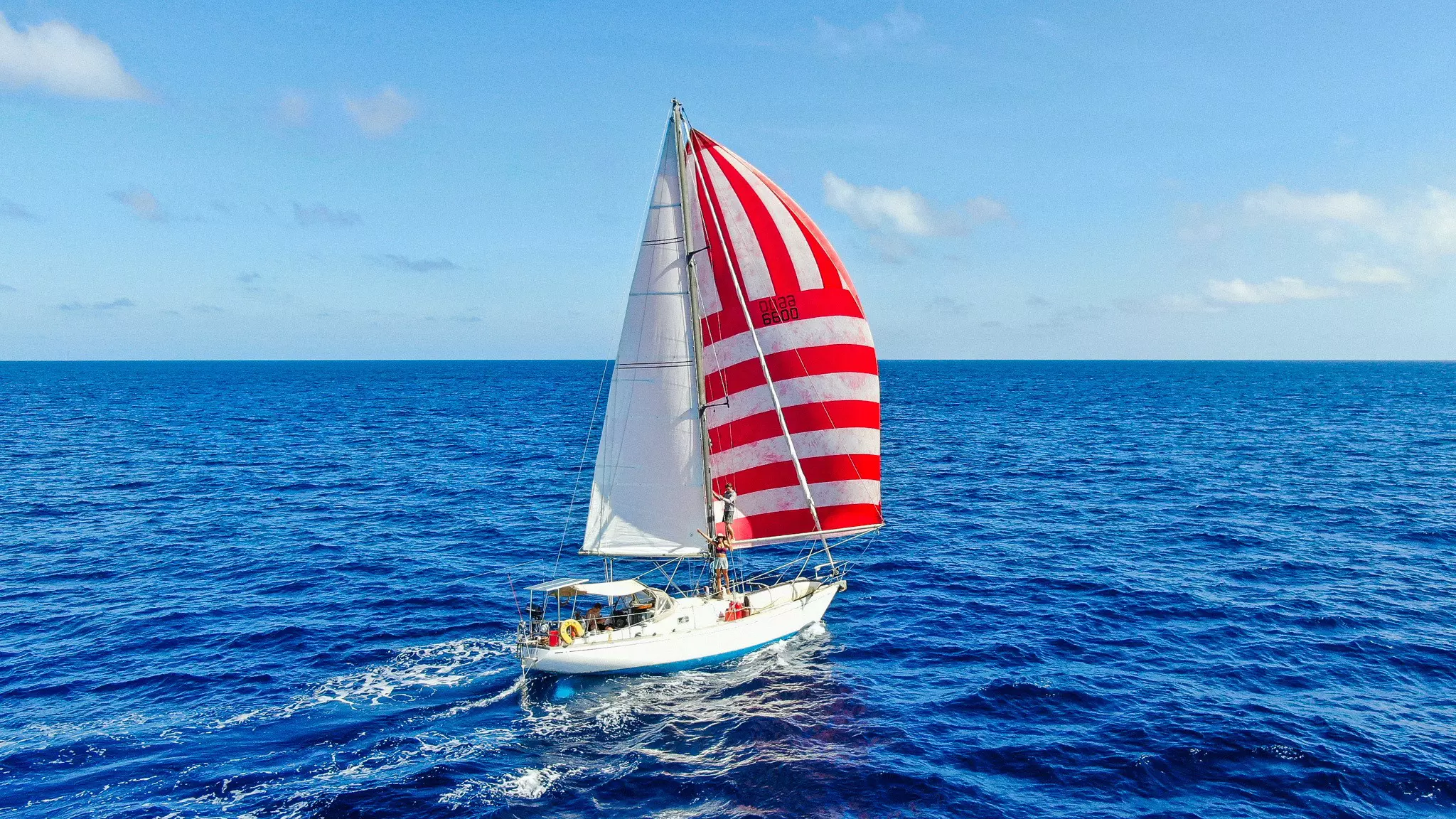
We are floating again. There are still the last few connections to be made, screens to fit, covers to make, and jobs to tie up before we set off for Fiji, but the progress finally feels tangible. Elixir is stronger, smarter, and more capable today than she was the day she launched in 1970.
Owning a boat like this is such an unreasonable, illogical thing to do. For the last two years, almost all of my effort and attention has gone into bringing her back to life. Many times, I’ve looked at myself in the mirror and asked, "What are you doing? Is it really worth it?" And honestly, most of the time, it feels like it’s not. But I know for sure that when we see New Zealand dipping below the sea behind us, with an empty horizon ahead, I'll know this was the best decision I’ve ever made.


Designed for cruising and sailing, Axiom 2 Pro S chartplotters combine powerful performance with built‑in single‑channel sonar for dependable depth awareness and confident navigation. Available in 9, 12 or 16‑inch sunlight‑readable displays with built‑in GPS.

Quantum 2 18" solid-state radar dome with CHIRP Pulse Compression and Doppler collision avoidance technology.

7 and 9-inch Performance Displays. The latest in boat instrumentation with portrait and landscape mounting options and a single data and power cable for easy installation.

The RSW Wired, Smart Wind transducer is a professional-level wind sensor designed to deliver highly accurate calibrated wind speed and direction data. Supplied with a 30m Smart Wind mast cable as standard.

Autopilot for large sailboats with mechanical steering

Sleek, modular, black box VHF Radio Systems allowing for discreet mounting and dashboard space saving.

Multifunction Instrument with digital, analog, and graphical displays of depth, speed, wind, and more.

Axiom+ chartplotters offer trusted navigation and bright sunlight viewable displays, available in 7, 9, or 12‑inch sizes with built‑in GPS.

The AIS700 from Raymarine is a Class B Automatic Identification System (AIS) transceiver with a built-in antenna splitter.


