
Raymarine Ambassador Juho Karhu walks us through the extensive refit of this 43 foot aluminium hull arctic expedition sailing yacht, fully equipped with Raymarine electronics.
Wednesday - 11 March 2026
When you spend a summer sailing through the Northwest Passage and then a winter frozen into a fjord in Greenland, your boat becomes your survival kit, and you need gear that you can trust to keep you safe.
Our Lumi is a 43 foot Garcia Nouanni. She is an aluminium-hulled boat that we have modified to handle high-latitudes better than it was originally intended to. When we bought her 3 years ago she was in a sad state. She had been left on the hard for 15 years and there were trees growing on the deck. The navigation gear surprisingly enough was still mostly functional, but it was outdated and the usual mix of “hodgepodge”; half of it wired together in a makeshift NMEA network and half of it working independently. It kind of worked, but just "working" and being "trustworthy while sailing shorthanded between icebergs" are very different things.
We wanted something modern, integrated and reliable, and together with Raymarine we configured a full Raymarine system for our needs.
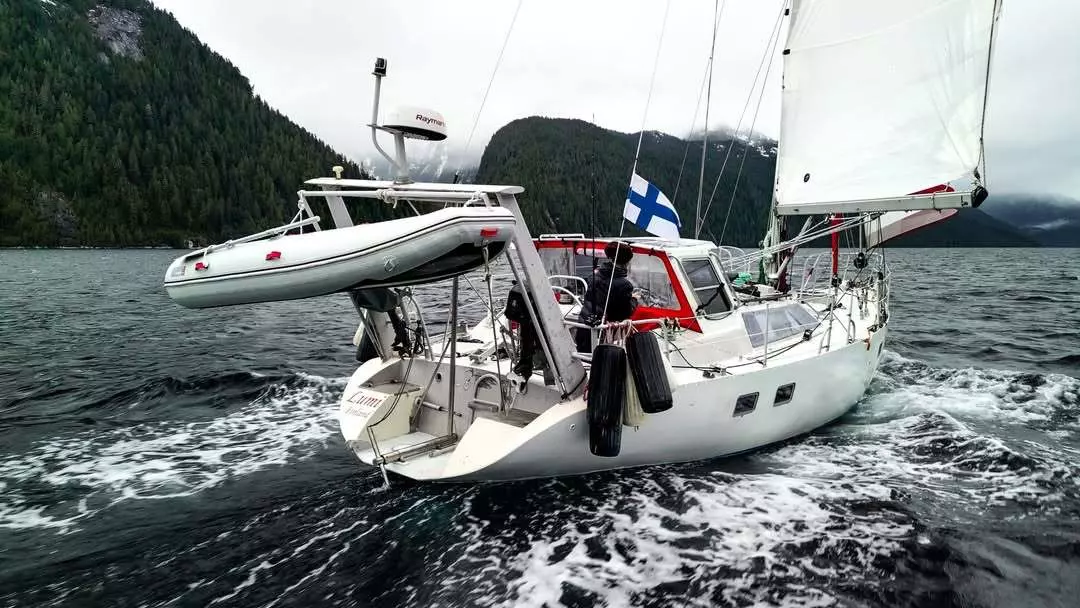
When we fitted out Lumi, we went for the Raymarine Axiom 2 Pro and Axiom+ plotters. The Axiom 2 is in the cockpit and the Axiom+ at the inside navigation station. The Pro was chosen for the outside helm position, as the HybridTouch keypad makes it easier to use with gloved hands.
Both of the above screens are impressively fast and maps are easy to scroll through especially when using Raymarine’s own Lighthouse charts. We are accustomed to doing most of our planning work either on paper charts or on our laptops, but Lighthouse charts have proven so easy and fast to scroll through that we’ve found ourselves to be doing more of actual planning and routing work on the plotters themselves. Therefore we also later upgraded the cockpit screen from the 9” to a 12” model.
We also have an Alpha Performance Display 7 and an i70 instrument and P70 autopilot control to complement the plotters. For us, these screens serve to show the important data (especially depth and wind angles) in big numbers, in an easy to read way. When things get dicey we want everything viewable without having to scroll through different things.
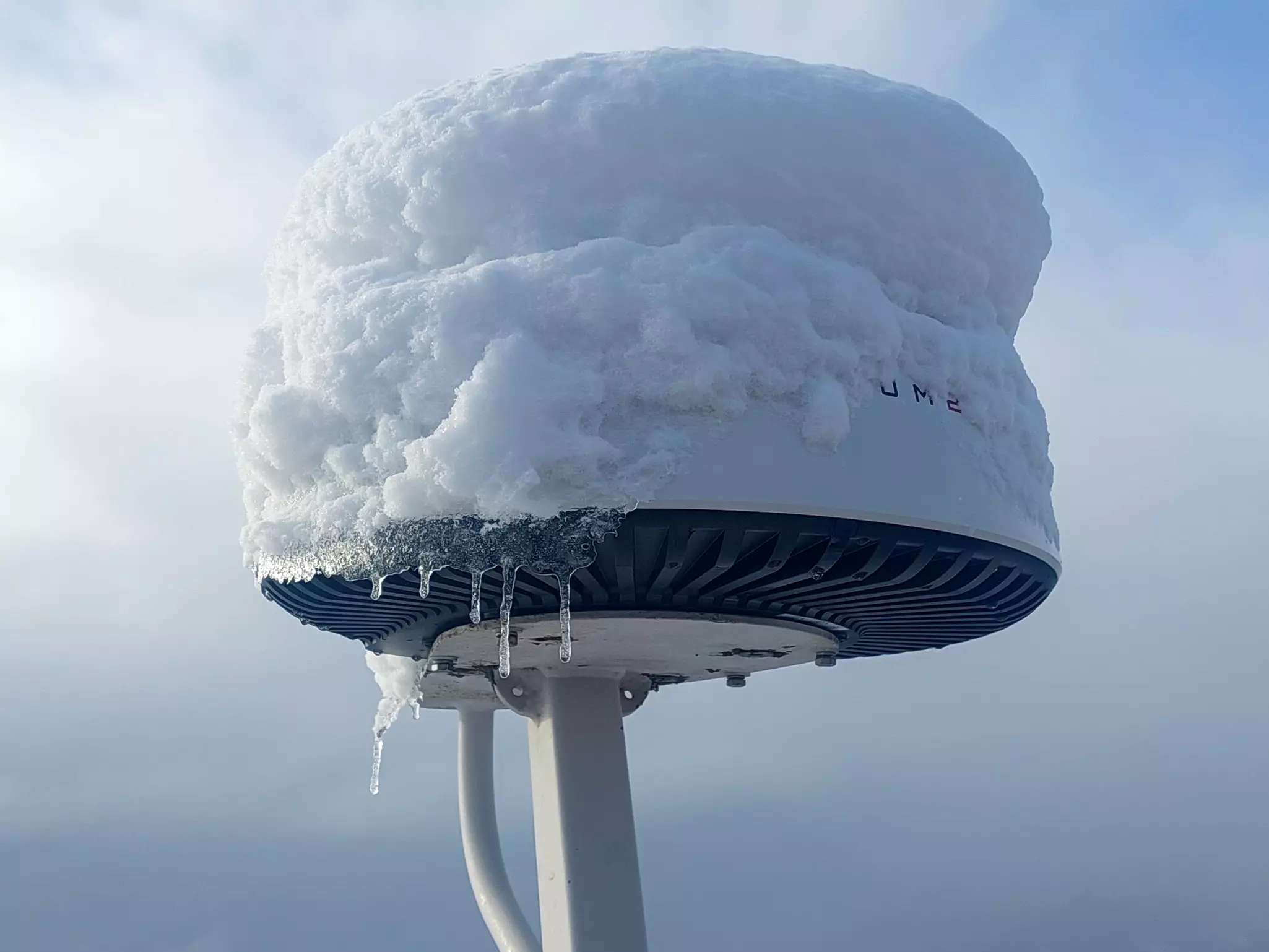
Our radar is the Raymarine Quantum 2: A quick and responsive radar overlay on the chart is priceless, as it allows us to confirm chart data with our actual surroundings. The glacier fronts and silty areas here move fast and the charts are not always accurate. When you’re feeling out an unfamiliar fjord entrance, having radar returns sitting right on top of your chart makes things just that much more comfortable.
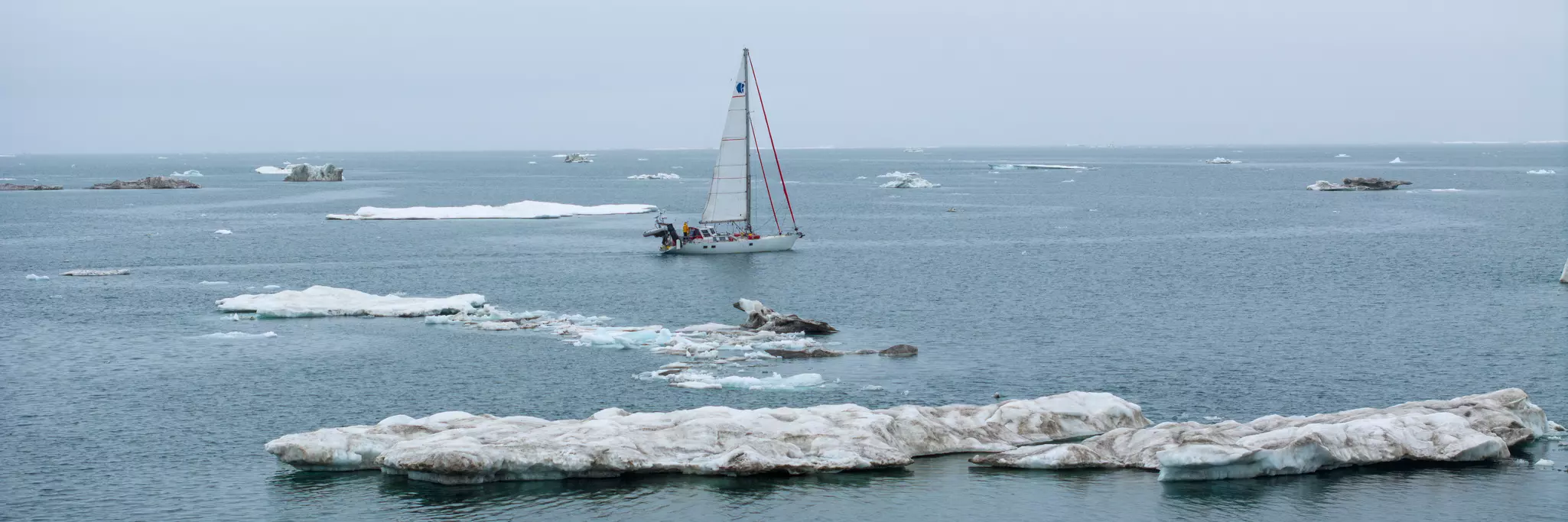
The autopilot is genuinely the hardest-working crew member on board and something that we absolutely rely on. S/v Lumi gets steered by the autopilot over 95% of the time, we only hand steer during harbour entrances and when anchoring. We sail with just two people most of the time, and rather than steering it is more important to concentrate on watching for ice, trimming sails or eating something.
I was familiar with the Raymarine Evolution autopilot system and the linear drive autopilot arms from my earlier boat Sylvia, where this system worked flawlessly for multiple years in the northern latitudes. Therefore it was easy to go with the Evolution system and Type 2 linear drive unit on Lumi as well. In complete darkness and in a confused swell left over from a passed low, it holds a better course than any of us would after a long watch!
We have made a few special modifications to the whole setup. First of all, we had a waterproof aluminium container welded within the hull and the DST810 (depth & speed & water temperature) transducer was installed inside this small container. This ensured that were the transducer ever breached by ice (which so far has not happened), water would still not get inside the boat.
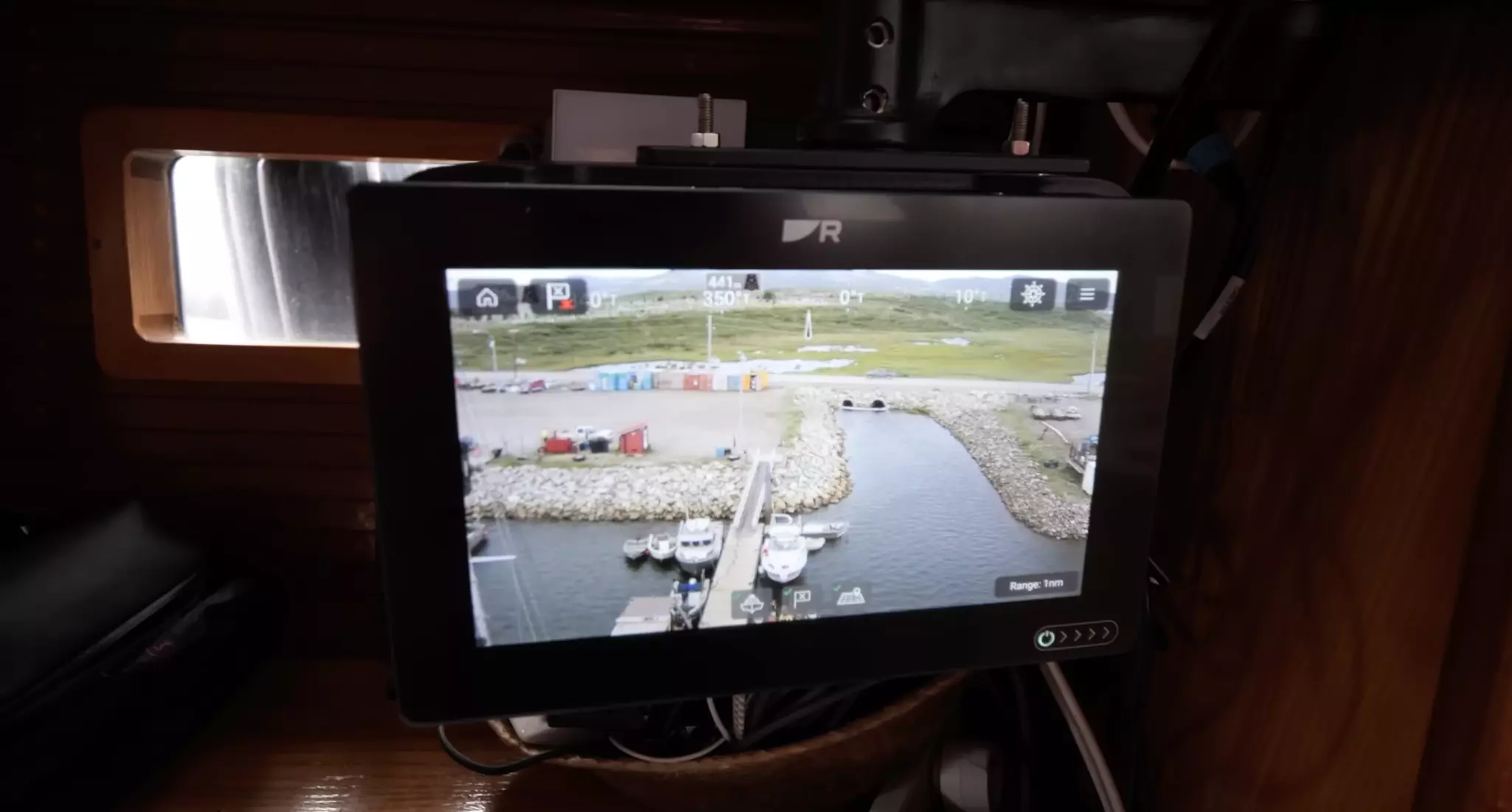
We also installed a CAM210 Camera at the top of the mast; pointing forward at a slight downward angle. In bright sunlight you can use it in unknown anchorages to see through the water and spot possible obstructions in front of the bow.
With the whole system integrated together in Raynet and Seatalk NG networks, it has been smooth sailing! I didn't expect integration to matter as much as it does, but removing the mental load of cross-referencing separate systems has been significant. It is also nice when everything works together “out of the box”.
Installation quality matters a lot. While the Raymarine systems and networks are easy to connect together, it is running the wires and doing the electrical work that really takes time. We installed everything ourselves and while the end result is great (except maybe for some aesthetic bits), it was a lot of work and there were a lot of things that needed figuring out. A perfect system with dodgy wiring would still be a liability, so we tried to make the installation as good as possible; but if you are planning a full electrical refit then I highly recommend professional help! It definitely would have saved some of our nerves!
For us, this refit was not about having the newest kit. It was about being able to trust what we have, when it really counts!

Quantum 2 18" solid-state radar dome with CHIRP Pulse Compression and Doppler collision avoidance technology.

CAM210 Day and Night IP Bullet Camera

7, 9, and 12 inch touch screen chartplotter displays

Multifunction Instrument with digital, analog, and graphical displays of depth, speed, wind, and more.

Sleek, modular, black box VHF Radio Systems allowing for discreet mounting and dashboard space saving.
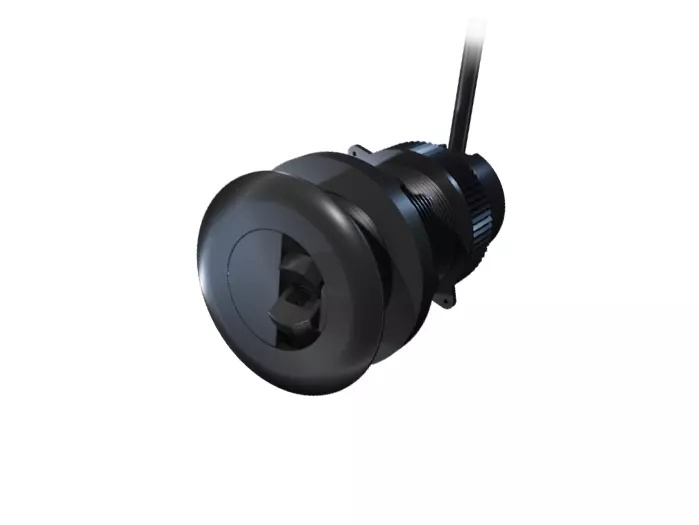
Depth, speed and temperature multi-sensor transducer with NMEA2000 output.
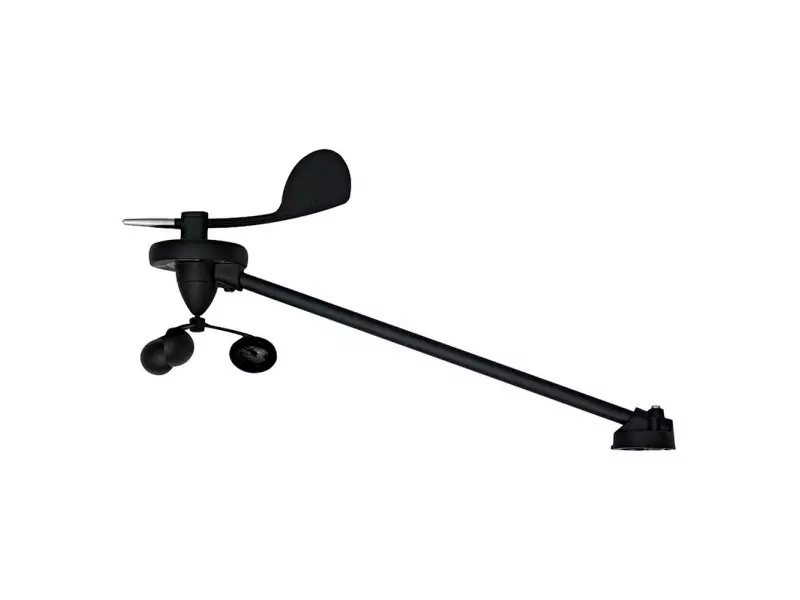
Wireless, solar powered masthead unit for Micronet and SeaTalkng instruments

Autopilot control head for Evolution autopilots with intuitive push-button operation designed for sailboat installations

Autopilot for mid-sized sailboats with mechanical steering


