NEW! Axiom 2 Chartplotters Now Available
Explore
06 March 2026
In this guide, we discuss tips and accessories that will make your electronics upgrade easier.
Upgrading your boat’s electronics is one of the most effective ways to improve safety, reliability, and enjoyment on the water. Modern systems offer better performance, clearer information, and smarter connectivity than older installations, but refits can come with questions around compatibility, cost, and choosing the right solutions. With the right planning, products, and guidance, these challenges become far easier to manage. A well‑planned refit ensures your vessel is equipped for today’s technology and ready for the adventures ahead.
This learning guide walks you through the most common upgrade paths, from chartplotters and radar to transducers and networking, showing how much of your current system can stay in place. Whether you're refreshing your helm or planning a full boat upgrade, the following sections will help you understand your options and modernize your boat with confidence.
Are you looking to give your helm a makeover? Are you considering adding some new technology this boating season? In this episode of Raymarine Live, we discuss tips and accessories that will make your marine electronics upgrade easier. Watch to learn about our line-up of mounting adapters, cable adapters and installation accessories that simplify installation to save time and money.
Bringing new electronics into an older boat doesn’t have to mean cutting fiberglass or rewiring the helm from scratch. In many cases, even older transducers and instruments can remain in place, reducing labor, avoiding unnecessary haul-outs, and delivering a clean, modern helm with minimal disruption.
Many of Raymarine’s solutions are designed to avoid invasive work on the vessel. Raymarine’s adapter plates, network converters, and compatible scanners make it possible to modernize the helm, improve reliability and connectivity, and refresh the look of the dash without major structural work. Even when replacing displays or sensors, the physical footprint often stays the same.
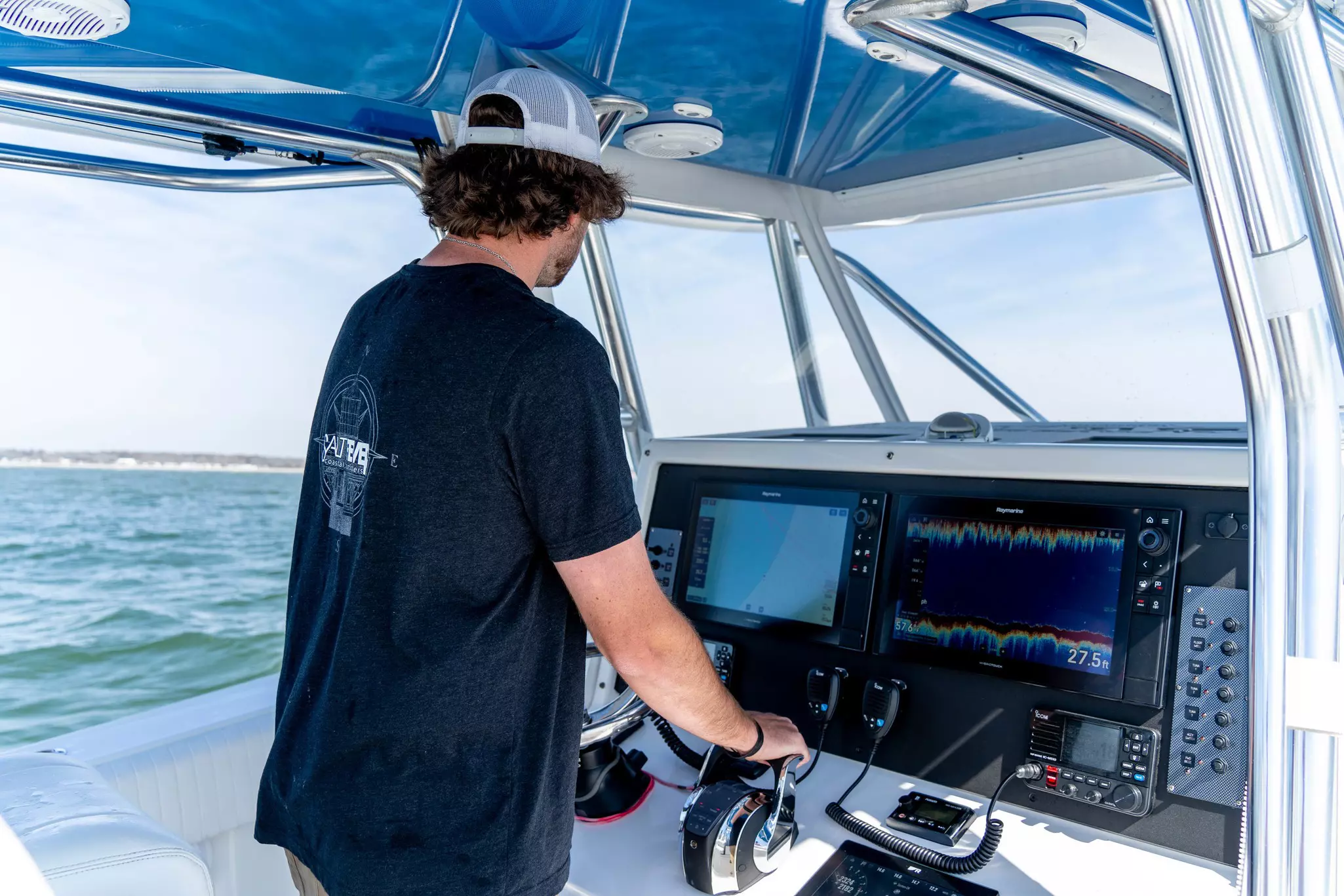
When upgrading your boat's navigation electronics, a common place to start is your Chartplotter. Older E and C Series displays used different cutout sizes and large mounting bezels, which often left behind marks and discoloration. Raymarine’s adapter plates solve this cleanly by covering the old footprint, hiding cosmetic blemishes and housing new Axiom+ and Axiom 2 displays with a neat, finished look.
In many cases, the original cabling can stay in place. Early SeaTalk high speed network cables can be adapted to RayNet, which avoids rerunning long Ethernet cables through tight chases.
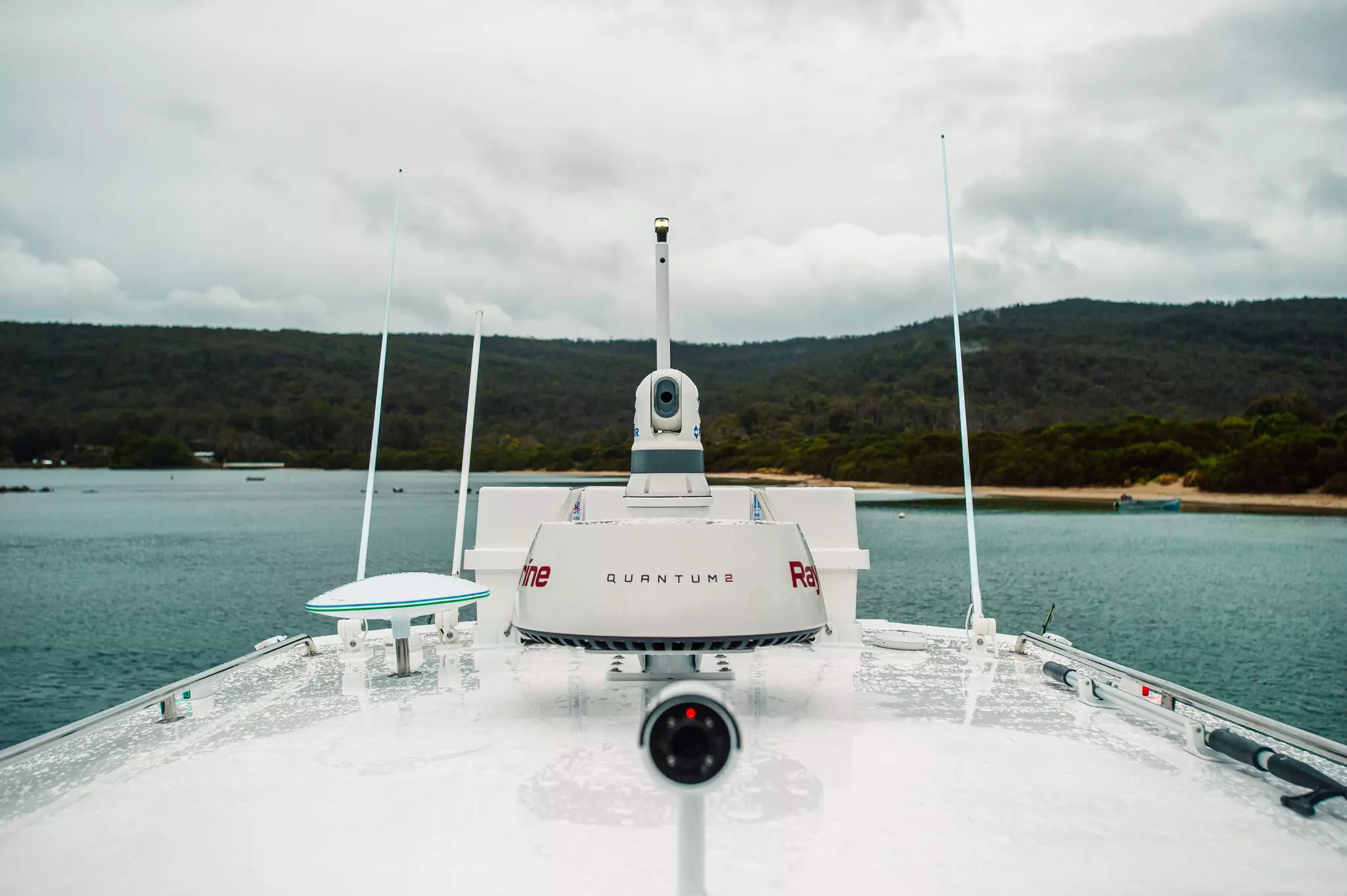
While previous-generation analog scanners can't interface with today’s multifunction displays, the majority of digital scanners remain fully compatible. Raymarine’s marine radar line-up of powerful and long-lasting Digital, HD Digital, Super-HD and HD-Color scanners will continue to work great with modern Axiom displays using simple adapters for their digital interconnect cables.
For example, if you own an older digital radome device and want to upgrade to a new Quantum 2 Doppler Radome, Raymarine offer an adapter that allows the reuse of the existing radar cable for data and power. Quantum radars offer excellent flexibility during a refit because they can transmit data through either a traditional cable or via Wi‑Fi. This gives installers more freedom and reduces the need to run large, hard‑to-route radar cables through masts or tight pipework. Even though Quantum radar still requires a power feed, the cable is far slimmer than the thick analog radar cables used in the past, freeing up space and making installation cleaner and less intrusive.
A useful consideration when upgrading radar scanners is the bolt pattern. Raymarine has maintained the same mounting layout for many years, keeping installation easy and clean. In many cases, existing antenna mounts, risers, and masts can be reused if they’re still in good condition, reducing installation time, avoids drilling new holes, and keeps the refit simpler and less invasive.
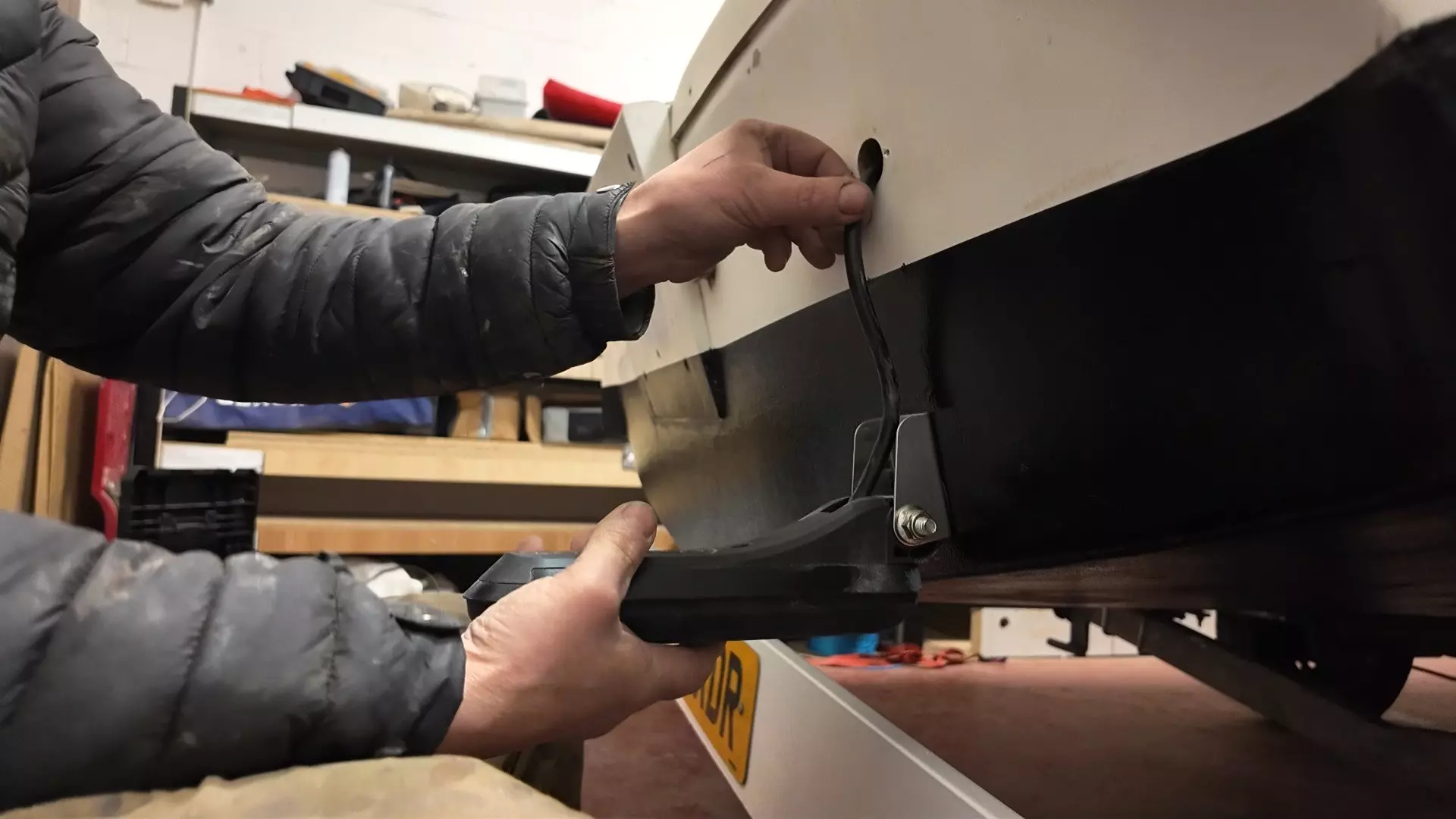
When considering a transducers upgrade, compatibility is another area that is often easier and less expensive than expected. Many older boats already carry high‑quality Airmar 50/200 kHz transducers which don’t always need to be replaced during an electronics upgrade. For users upgrading to Axiom, transducer adapter cables allow sonar equipped Axiom displays to connect with older transducers, commonly used with Raymarine aSeries, cSeries and eSeries systems. Transducer adapter cables let boaters benefit from new Axiom capabilities, such as pairing RealVision 3D while keeping reliable legacy 200/50 kHz transducers in place, giving coastal and offshore boaters deep‑water performance while keeping the advanced CHIRP RealVision imaging features of their new display. It also offers the added benefit of allowing owners to upgrade their helm this season and postpone a haul‑out until it suits them.
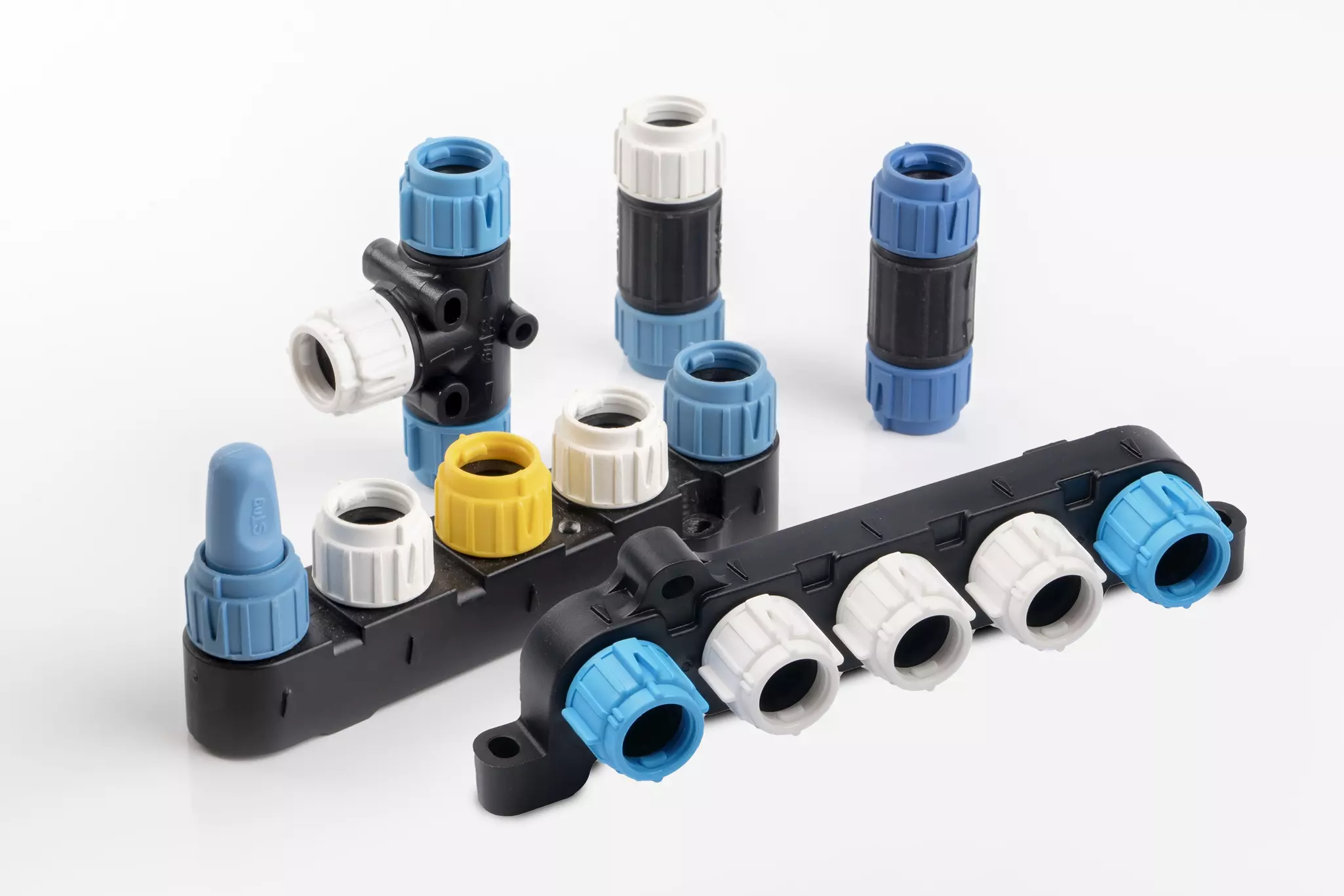
Modernizing your boat's network infrastructure is a straightforward and flexible process. RayNet handles high bandwidth data for radar, sonar modules and cameras, while SeaTalk NG or NMEA 2000 cables carry data such as GPS, depth, wind, compass and engine information. Raymarine offers SeaTalk NG to NMEA 2000 adapter cables to simplify interconncting SeaTalk NG devices with NMEA 2000 backbones. Even older SeaTalk 1 instruments can continue working through the SeaTalk NG converter, which bridges data in both directions.
For owners of legacy instruments, the ITC‑5 converter can preserve existing transducers for wind, depth, speed, rudder and heading. This converts analog signals into modern NMEA 2000/SeaTalk NG data, allowing older through-hull sensors to stay in place, with all calibrations handled through an Axiom display
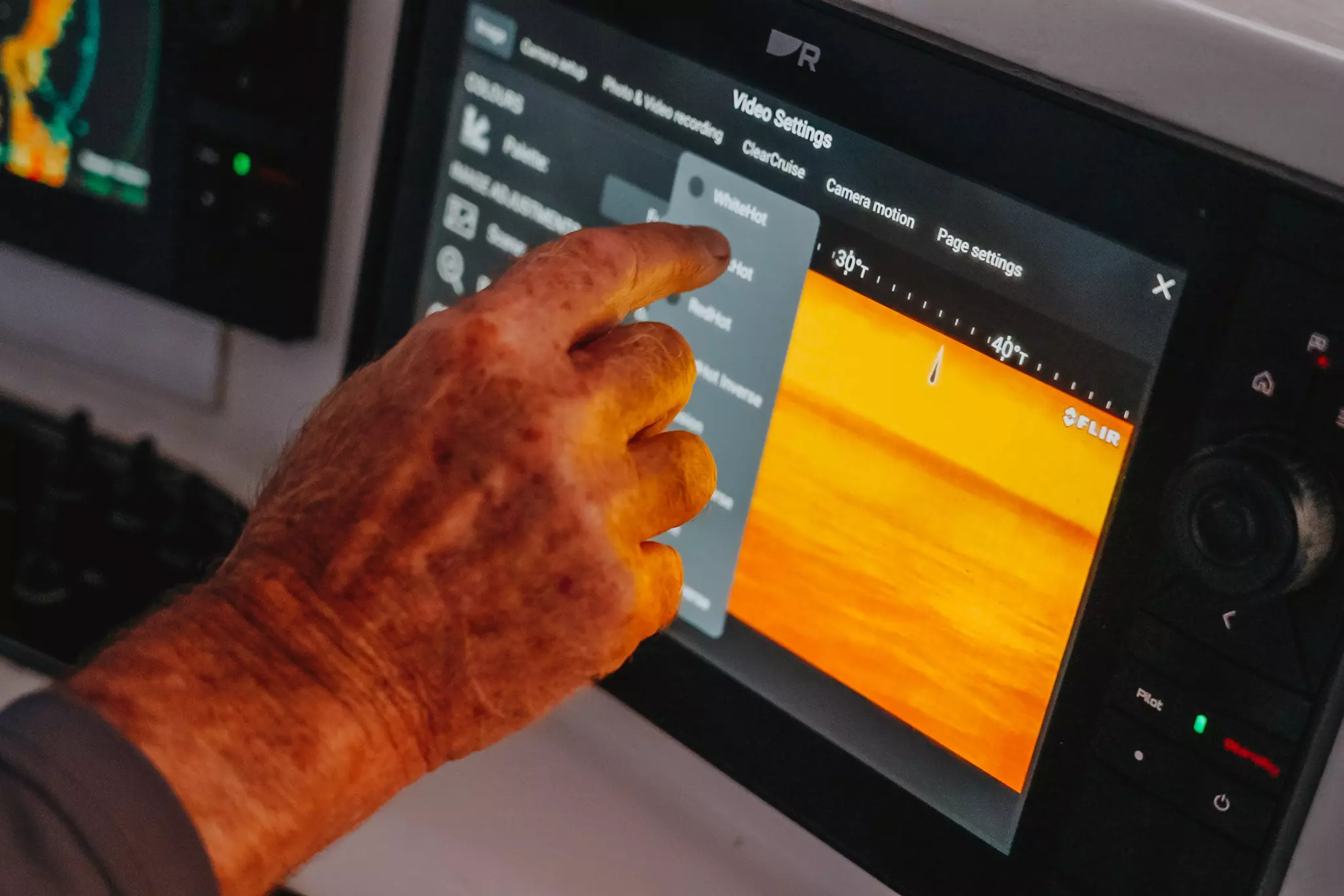
Even specialty upgrades such as adding a camera, integrating engine data or incorporating an older analog FLIR unit have clear solutions. RayNet switches with Power Over Ethernet capability (PoE) can distribute power and data to multiple marine cameras onboard the boat, improving visibility and enabling advanced features like Augmented Reality. Axiom 2 Pro and Axiom 2 XL screens have built-in analog video encoders that convert older camera feeds into a digital stream that all Axiom displays can view.
Manufacturer-specific gateways from Mercury, Yamaha, and Suzuki allow easy display of comprehensive engine information on Axiom. Its even possible to use Raymarine’s ECI-100, Maretron’s J2K100 or 3rd party engine gateways to turn CAN bus and analog engine signals into modern NMEA 2000 information displayable on Axiom’s Dashboard application.
Modernizing an older helm doesn’t have to be overwhelming. In many cases, far more of your existing system can be reused than you might expect. With the right adapters and network components, you can update your electronics while keeping the installation clean, reliable, and cost‑effective.


